Restaurant Survival Guide: Eating Out While Maintaining Gains
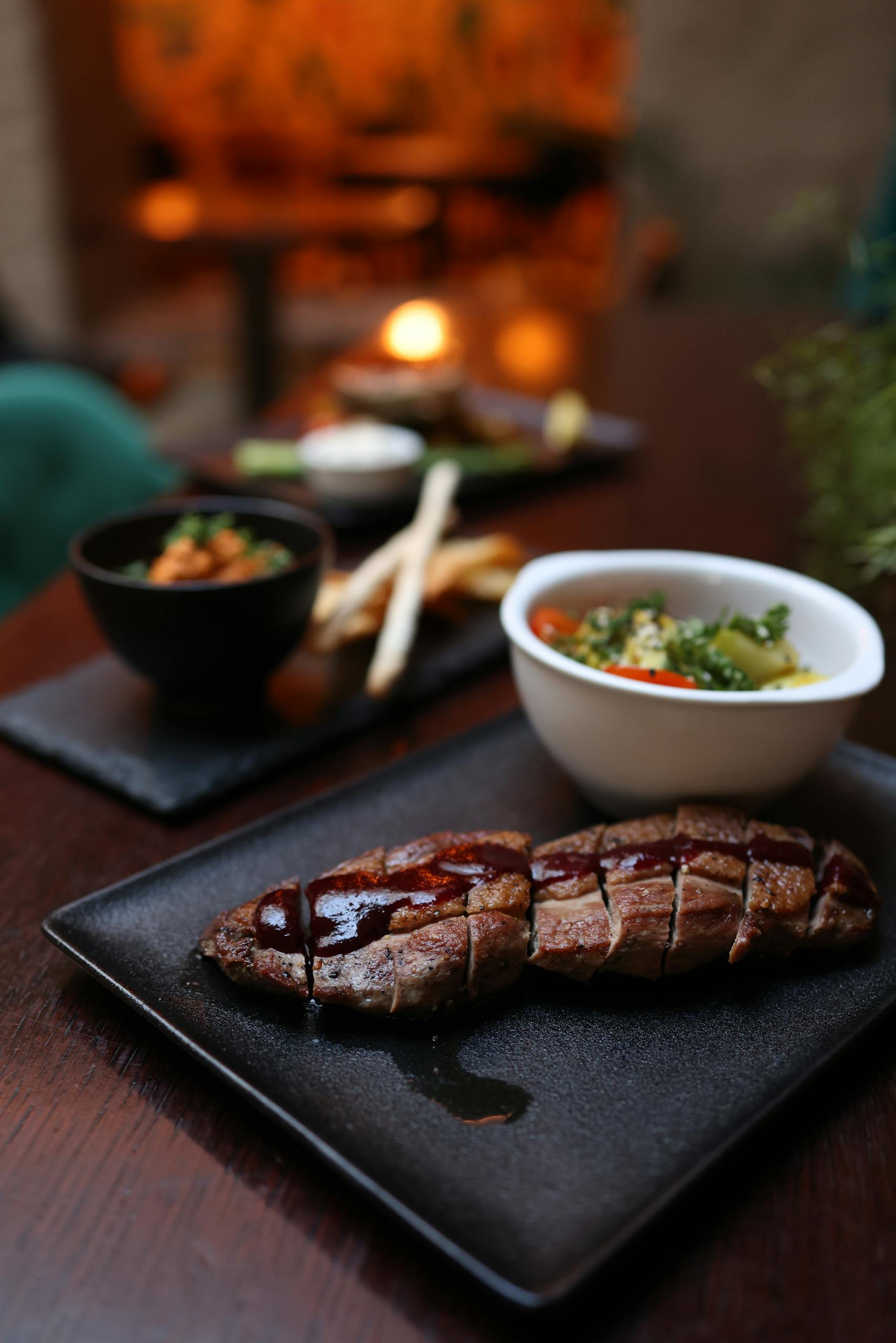
The Social Dining Dilemma
Building an impressive physique requires disciplined nutrition, but completely avoiding restaurants isolates you socially and creates unsustainable lifestyle restrictions. The solution isn’t choosing between gains and social life—it’s learning strategic restaurant navigation that allows enjoyable dining experiences while maintaining physique goals.
Understanding menu selection, portion management, and damage control strategies enables you to eat out 2-4 times weekly without compromising muscle building or fat loss objectives.
Pre-Restaurant Strategy
Check Menus Online: Review restaurant menus beforehand, identifying protein-rich options and planning your order. This prevents impulsive high-calorie choices when hungry and pressured.
Eat Protein First: Consume 20-30g protein (protein shake, Greek yogurt, or chicken breast) 60-90 minutes before dining. This reduces extreme hunger preventing overeating while ensuring adequate daily protein even if restaurant portions disappoint.
Bank Calories: Reduce calories earlier in the day by 200-400, creating buffer for higher-calorie restaurant meal while maintaining weekly caloric targets.
Hydrate Heavily: Drink 16-24 ounces of water before leaving. Proper hydration reduces false hunger signals and prevents confusing thirst with appetite.
Smart Ordering Strategies
Protein Selection Priority
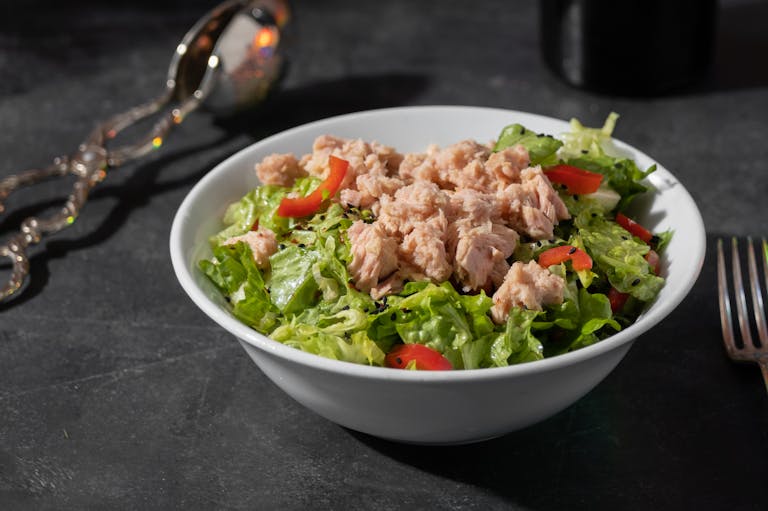
Best Choices: Grilled chicken breast, sirloin steak, salmon, tuna, shrimp, turkey, lean beef, or white fish. Request preparation without heavy sauces, butter, or oil.
Portion Guidance: Most restaurants serve 6-10 ounce protein portions—adequate for single meals. If portions are excessive, immediately separate half for later rather than feeling obligated to finish everything.
Cooking Methods: Choose grilled, baked, broiled, or steamed over fried, breaded, or sautéed preparations. This eliminates 200-500+ calories from cooking fats and breading.
Carbohydrate Management
Smart Options: Baked or sweet potato, brown rice, quinoa, whole grain bread (limited), or fruit. Request preparations without butter, oil, or cream-based additions.
Portion Control: Restaurant carb portions often exceed 80-100g per serving. Eat half initially, saving remainder if still hungry after protein and vegetables.
Avoid Traps: Skip pasta (massive portions, 800-1200 calories easily), white bread baskets (empty calories before meal arrival), and sugar-loaded sauces disguising healthy proteins.
Vegetable Maximization
Always Add Vegetables: Steamed broccoli, asparagus, green beans, mixed vegetables, or side salads add volume, fiber, and micronutrients with minimal calories.
Dressing Strategy: Request dressing on the side, using fork-dipping method (dip fork in dressing, then spear food) reducing consumption by 60-80%.
Double Vegetables: Replace starchy sides with double vegetable portions—more filling, fewer calories, better micronutrition.
Restaurant-Type Specific Strategies
Steakhouses: Perfect for macro-friendly eating. Order sirloin or filet with double vegetables, skip bread basket, and limit alcohol to 1-2 drinks.
Italian Restaurants: Most challenging due to pasta-heavy menus. Choose grilled fish or chicken with marinara sauce (request light), side salad, and steamed vegetables. Avoid cream sauces, lasagna, and pizza.
Mexican Restaurants: Order fajitas (chicken, steak, or shrimp) without tortillas, rice, or beans. Load up on grilled protein, peppers, onions, salsa, and minimal guacamole. Skip chips entirely.
Asian Restaurants: Choose teriyaki chicken/salmon, hibachi grilled options, or sashimi. Request brown rice in moderate portions, avoid fried items, and watch hidden sugar in sauces.
Fast Casual: Chipotle bowls (double chicken, no rice, extra vegetables, salsa, minimal cheese), Subway (grilled chicken on salad), or Panera (Mediterranean bowl with chicken) provide controllable options.
Damage Control Techniques
Alcohol Management: Limit to 1-2 drinks maximum. Choose vodka/soda, light beer, or dry wine over sugary cocktails or craft beers saving 200-400 calories.
Appetizer Avoidance: Skip appetizers entirely—most contain 600-1000 calories before your meal arrives. If sharing is unavoidable, have one small piece.
Bread Basket Defense: Request removal immediately or position basket across table away from reach. Out of sight, out of mind.
Dessert Strategy: Share dessert among 3-4 people having 2-3 bites rather than solo consumption. Or skip entirely, ordering coffee or tea instead.
Social Pressure Navigation
Be Direct: Simply state “I’m eating lighter today” or “I’m good with this” without elaborate diet explanations inviting unwanted commentary.
Order First: Avoid peer pressure by ordering before others commit to appetizers, desserts, or excessive alcohol.
Focus on Conversation: Engage socially through conversation rather than constant eating. Put fork down between bites, talking more and eating slower.
Post-Restaurant Recovery
Don’t Overreact: One higher-calorie meal won’t derail progress. Resume normal eating immediately rather than compensating with extreme restriction creating binge-restrict cycles.
Extra Movement: Add 20-30 minute walk post-meal improving digestion and burning modest calories.
Hydrate Heavily: Restaurant meals contain excessive sodium causing temporary water retention. Drink extra water following day flushing sodium and reducing bloating.
Conclusion
Eating out while maintaining gains requires planning menus beforehand, prioritizing grilled proteins with vegetables, managing portions strategically, limiting alcohol and avoiding appetizers/desserts, and focusing on social experience over food volume. Implement these strategies allowing 2-4 weekly restaurant meals without compromising physique goals. Social life and gains aren’t mutually exclusive—strategic navigation enables both.