Best Pre-Bed Snacks for Muscle Growth and Recovery

Why Pre-Bed Nutrition Matters
Sleep represents your longest fasting period—typically 7-9 hours without nutrition. Without strategic pre-bed feeding, your body enters catabolic state, breaking down muscle tissue for amino acids to maintain bodily functions. Consuming appropriate nutrients before sleep provides sustained amino acid release throughout the night, supporting muscle protein synthesis and preventing breakdown during this extended fast.
Research shows men consuming 30-40g slow-digesting protein before bed experience greater muscle growth and recovery compared to those sleeping in completely fasted states.
The Ideal Pre-Bed Macronutrient Profile
Prioritize Slow-Digesting Protein
Target: 30-40g protein from slow-release sources providing sustained amino acid availability for 6-8 hours.
Why Slow Digestion: Fast proteins (whey) digest within 2-3 hours, leaving 4-6 hours of fasting overnight. Slow proteins release amino acids gradually throughout sleep preventing muscle breakdown.
Moderate Fats for Satiety
Including 10-20g healthy fats slows digestion further, enhances satiety preventing midnight hunger, and supports hormone production (testosterone synthesis occurs during sleep).
Minimal to Moderate Carbohydrates
For Most Men: Keep carbs low (under 30g) before bed unless training late evening or aggressively bulking.
Exception: Men training within 3 hours of bedtime benefit from 30-50g carbs replenishing glycogen and supporting recovery.
Best Protein Sources for Pre-Bed
Casein Protein (The Gold Standard)
What It Is: Slow-digesting milk protein forming gel-like substance in stomach, releasing amino acids steadily over 6-8 hours.
Serving: 30-40g casein powder mixed with water or almond milk.
Benefits: Proven superior to whey for overnight muscle protein synthesis, excellent satiety preventing hunger, and convenient preparation.
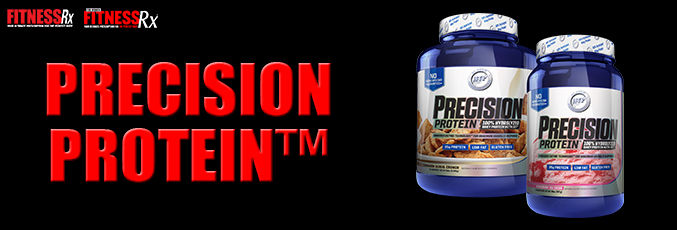
Recommended Brands: Optimum Nutrition Gold Standard Casein, Dymatize Elite Casein.
Cost: $1-1.50 per serving—affordable muscle insurance while sleeping.
Greek Yogurt (Whole Food Alternative)
Why It Works: Naturally high in casein protein with added probiotics supporting digestive health.
Serving: 1.5-2 cups plain Greek yogurt (30-40g protein).
Enhancement: Add berries, cinnamon, or small amount of honey for flavor without excessive sugar.
Benefits: Real food satisfaction, calcium supporting bone health and sleep quality, and gut health benefits from probiotics.
Budget: Comparable cost to protein powder with added micronutrients.
Cottage Cheese (Traditional Choice)
The Profile: 80% casein protein, relatively low calories, additional calcium and sodium.
Serving: 1.5-2 cups cottage cheese (30-40g protein).
Preparation: Mix with berries, cinnamon, or sugar-free pudding mix improving taste.
Benefits: Extremely filling, minimal preparation, and whole food nutrition.
Consideration: Higher sodium content (300-400mg per cup)—beneficial for active men but potentially problematic for those with hypertension.
Complete Pre-Bed Snack Ideas
Option 1: Classic Casein Shake
- 1.5 scoops casein protein powder
- 1 tablespoon natural peanut butter
- 8oz almond milk
- Optional: 1/2 frozen banana (if carbs desired) Totals: 45g protein, 12g fat, 10-30g carbs (depending on banana)
Option 2: Greek Yogurt Bowl
- 2 cups plain Greek yogurt
- 1/2 cup mixed berries
- 1 tablespoon almond butter
- Cinnamon Totals: 40g protein, 12g fat, 25g carbs
Option 3: Cottage Cheese Creation
- 2 cups low-fat cottage cheese
- 1 tablespoon flaxseed
- 1/2 cup blueberries
- Stevia for sweetness Totals: 42g protein, 8g fat, 22g carbs
Option 4: Protein Pudding
- 1.5 scoops casein protein
- 4oz Greek yogurt
- 2oz sugar-free pudding mix
- 1 tablespoon cocoa powder Totals: 48g protein, 4g fat, 18g carbs
Option 5: Whole Food Combo
- 4oz chicken breast
- 1/4 cup almonds
- Small apple Totals: 40g protein, 18g fat, 20g carbs
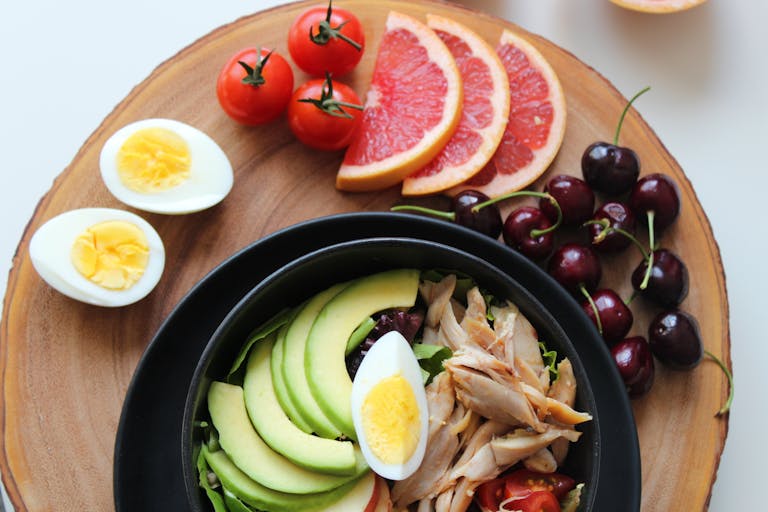
Option 6: Egg-Based Option
- 4 whole eggs (scrambled or hard-boiled)
- 1/2 avocado
- Cherry tomatoes Totals: 30g protein, 28g fat, 8g carbs
Strategic Carbohydrate Inclusion
When to Add Carbs
Late Evening Training: Sessions ending within 3 hours of bedtime benefit from 30-50g carbs supporting glycogen replenishment and insulin-mediated recovery.
Aggressive Bulking: Men in 500+ calorie surplus can include carbs before bed ensuring adequate total daily intake without morning appetite suppression.
Sleep Issues: Some men sleep better with moderate carbs (30-40g) before bed—carbohydrates increase serotonin promoting relaxation.
Best Pre-Bed Carb Sources
Oatmeal (slow-digesting, promotes sleep), rice cakes with nut butter, berries (low glycemic, high antioxidants), and sweet potato (nutrient-dense complex carbs).
Avoid: High-sugar desserts, candy, or processed carbs spiking blood sugar disrupting sleep quality.
Timing Considerations
Ideal Window: 30-60 minutes before bed allowing digestion to begin without lying down on completely full stomach.
Not Too Early: Eating 2-3 hours before bed negates overnight protein availability—amino acids deplete before extended sleep portion.
Individual Tolerance: Some men experience sleep disruption from eating immediately before bed. Experiment finding optimal timing for your digestive system.
What to Avoid Before Bed
Excessive Protein (over 50g): Your body can’t utilize unlimited protein—excess provides no additional benefit while potentially disrupting sleep through excessive digestion demands.
High-Fat Meals (over 30g fat): Extremely high-fat intake before bed may cause reflux or digestive discomfort for sensitive individuals.
Spicy Foods: May cause heartburn or reflux interfering with sleep quality.
Excessive Fluids: Limits liquid intake preventing multiple bathroom trips disrupting sleep cycles.
Stimulants: Avoid pre-workouts, energy drinks, or excessive caffeine within 6 hours of bedtime.
Budget Considerations
Most Economical: Cottage cheese or eggs ($0.50-0.75 per serving)
Mid-Range: Greek yogurt ($0.80-1.20 per serving)
Convenient: Casein protein powder ($1-1.50 per serving)
All options provide comparable benefits—choose based on budget, taste preferences, and convenience.
Fat Loss Considerations
Pre-bed snacks remain beneficial during cuts providing satiety through the evening, preventing midnight refrigerator raids, and preserving muscle mass during caloric restriction.
Adjustment: Keep pre-bed snacks protein-focused with minimal carbs and moderate fats fitting within daily caloric targets.
Conclusion
Best pre-bed snacks include 30-40g slow-digesting protein from casein powder, Greek yogurt, cottage cheese, or whole eggs, moderate healthy fats (10-20g) slowing digestion and supporting hormones, and minimal carbs (under 30g) unless training late evening. Consume 30-60 minutes before sleep providing sustained amino acid release preventing overnight muscle breakdown while supporting recovery. Strategic pre-bed nutrition is investment in overnight anabolism—8 hours of muscle protein synthesis rather than 8 hours of muscle breakdown. Prioritize this often-overlooked meal timing for maximized muscle growth, enhanced recovery, and protected gains even during extended fasting of sleep.