Best Foods for Testosterone Production: Eat Your Way to Better Hormone Health

Nutrition’s Role in Testosterone Production
Testosterone doesn’t exist in isolation—your body synthesizes this crucial hormone from nutrients you consume daily. While no single food dramatically spikes testosterone like pharmaceutical intervention, strategic nutrition provides the raw materials, vitamins, and minerals essential for optimal hormone production. Men consuming inadequate calories, restricting dietary fats excessively, or deficient in key micronutrients inevitably experience suppressed testosterone regardless of training intensity.
Understanding which foods support testosterone production allows you to eat strategically for hormonal optimization while building muscle and maintaining health.
Healthy Fats: The Testosterone Foundation
Why Fats Matter: Testosterone is synthesized from cholesterol. Men consuming very low-fat diets (under 20% of total calories from fat) experience measurably lower testosterone levels than those eating adequate healthy fats.
Best Sources:
- Egg Yolks: Complete protein plus cholesterol and vitamin D—triple testosterone support. Whole eggs significantly outperform egg whites for hormone health.
- Fatty Fish (Salmon, Mackerel, Sardines): Omega-3 fatty acids reduce inflammation while providing vitamin D. Consume 2-3 servings weekly.
- Avocados: Monounsaturated fats plus potassium and magnesium supporting hormone production.
- Olive Oil: Extra virgin olive oil provides oleic acid and antioxidants. Use 2-3 tablespoons daily in cooking or dressings.
- Nuts (Almonds, Walnuts, Brazil Nuts): Healthy fats plus magnesium, zinc, and selenium. Brazil nuts specifically provide selenium crucial for testosterone synthesis.
Target: Consume 0.4-0.5g fat per pound of bodyweight daily, approximately 25-35% of total calories.
Zinc-Rich Foods: Essential Mineral
Why Zinc Matters: Zinc deficiency directly impairs testosterone production and increases estrogen conversion. Active men lose zinc through sweat, increasing dietary requirements.
Best Sources:
- Oysters: Highest zinc concentration of any food—6 oysters provide 30-50mg zinc, exceeding daily requirements.
- Red Meat (Beef, Lamb): Quality protein plus highly bioavailable zinc and iron. Grass-fed beef contains additional omega-3s.
- Pumpkin Seeds: Plant-based zinc source perfect for snacking. Quarter-cup provides 2-3mg zinc.
- Shellfish (Crab, Lobster): Excellent zinc content with lean protein.
Target: Consume 15-30mg zinc daily through food, supplementing if dietary intake is inadequate.
Cruciferous Vegetables: Estrogen Management
Why They Matter: Cruciferous vegetables contain indole-3-carbinol (I3C) and diindolylmethane (DIM), compounds supporting healthy estrogen metabolism. While not directly increasing testosterone, managing estrogen balance optimizes testosterone-to-estrogen ratios.
Best Sources:
- Broccoli: Versatile, nutrient-dense, excellent cooked or raw
- Cauliflower: Lower-carb alternative to rice or potatoes
- Brussels Sprouts: Roasted with olive oil for optimal flavor
- Kale and Cabbage: Salad bases or cooked greens
Target: Consume 1-2 servings daily of varied cruciferous vegetables.
Vitamin D Sources: The Hormone Vitamin
Why It Matters: Vitamin D functions like a hormone, directly influencing testosterone production. Men with adequate vitamin D (30-50 ng/mL) have significantly higher testosterone than deficient individuals.
Best Sources:
- Fatty Fish: Salmon, mackerel, and sardines provide substantial vitamin D
- Egg Yolks: Modest amounts but highly bioavailable
- Fortified Dairy: Milk and yogurt if tolerated
- Sunlight: 15-30 minutes of direct sun exposure daily (arms and legs exposed) generates significant vitamin D
Target: Consume vitamin D-rich foods regularly plus sun exposure. Consider supplementing 2000-5000 IU daily if deficient.
Magnesium-Rich Foods: Muscle and Hormone Support
Why It Matters: Magnesium supports testosterone production while reducing cortisol—creating optimal hormonal environment.
Best Sources:
- Dark Leafy Greens: Spinach, Swiss chard
- Dark Chocolate: 70%+ cacao for antioxidants plus magnesium
- Almonds and Cashews: Healthy fats plus magnesium
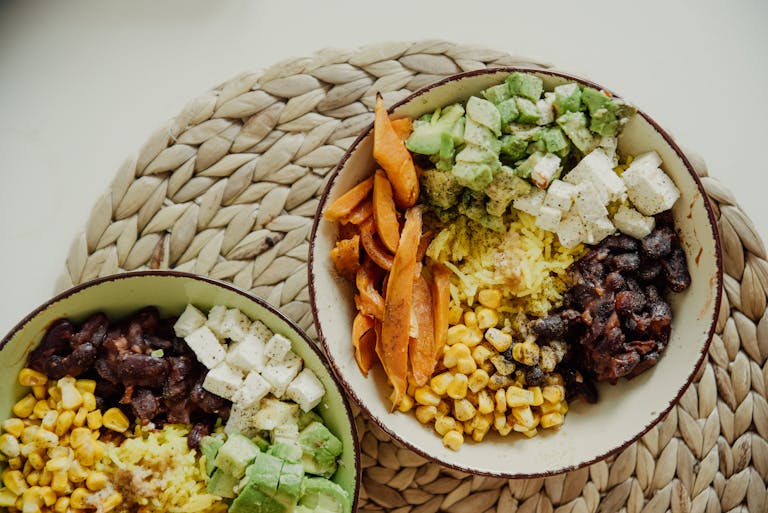
- Black Beans and Lentils: Plant protein with magnesium
Allium Vegetables: Natural Aromatase Inhibitors
Garlic and Onions: Contain compounds reducing aromatase enzyme activity, which converts testosterone to estrogen. Regular consumption may improve testosterone-to-estrogen ratios.
Pomegranates: Antioxidant Power
Studies show pomegranate juice consumption increases testosterone while improving cardiovascular health. The antioxidants reduce oxidative stress that impairs hormone production.
Foods to Limit
Excessive Alcohol: Suppresses testosterone acutely and chronically. Limit to moderate consumption.
Soy Products: High phytoestrogen content may interfere with hormone balance in excessive amounts.
Processed Foods: Trans fats, excessive sugar, and inflammatory compounds impair overall health including hormone production.
Mint: Spearmint and peppermint may reduce testosterone—limit excessive consumption.
Sample Daily Testosterone-Supporting Menu
Breakfast: 4 whole eggs, spinach, avocado Lunch: Grilled salmon, quinoa, broccoli Snack: Almonds, dark chocolateDinner: Grass-fed steak, sweet potato, Brussels sprouts Evening: Greek yogurt with pomegranate
Conclusion
Optimizing testosterone through nutrition requires adequate healthy fats (especially from eggs, fish, and nuts), zinc-rich foods (oysters, red meat), vitamin D sources (fatty fish, sun exposure), and magnesium-containing vegetables. Combined with adequate total calories and strategic micronutrient intake, testosterone-supporting nutrition creates the hormonal foundation for muscle growth, strength gains, and overall male health. Food alone won’t replace pharmaceutical testosterone, but strategic eating maximizes natural production within your genetic potential.