Unilateral Training Guide: Fix Strength Imbalances and Build Functional Muscle

Why Bilateral Training Creates Imbalances
Traditional bilateral exercises like barbell squats, bench press, and deadlifts form the foundation of effective training programs. However, exclusively relying on bilateral movements allows your dominant side to compensate for weaker limbs, creating and perpetuating strength imbalances. Most men unknowingly favor one side during bilateral lifts—the stronger leg pushes harder during squats, the dominant arm contributes more during bench press.
These imbalances increase injury risk, limit performance potential, and create asymmetrical muscle development. Unilateral training—exercises performed one limb at a time—identifies, addresses, and prevents these issues while building functional strength that transfers to real-world activities and sports.
Benefits of Unilateral Training
Eliminates Compensation Patterns: Forcing each limb to work independently prevents the stronger side from compensating. This reveals true strength disparities and ensures balanced development.
Improves Core Stability: Single-leg and single-arm exercises create asymmetrical loads demanding intense core stabilization. Your abs, obliques, and spinal erectors work harder maintaining balance during unilateral movements compared to bilateral exercises.
Enhances Athletic Performance: Sports and daily activities rarely involve symmetrical movements. Sprinting, jumping, throwing, and cutting all require unilateral strength and stability. Training this way directly transfers to improved athletic function.
Reduces Injury Risk: Balanced strength and stability protect joints from excessive stress. Addressing imbalances prevents compensation patterns that lead to overuse injuries, particularly in knees, hips, and shoulders.
Requires Less Load: Achieving effective training stimulus with lighter weights reduces spinal loading and joint stress—valuable for men with back issues or training through minor injuries.
Essential Lower Body Unilateral Exercises
Bulgarian Split Squats: The king of unilateral leg development. Elevate rear foot on bench, descending into deep lunge position. This exercise builds quadriceps, glutes, and single-leg stability simultaneously. Perform 3-4 sets of 8-12 reps per leg with dumbbells or barbell.
Single-Leg Romanian Deadlifts: Develop hamstrings, glutes, and balance. Hinge at hips while extending non-working leg behind, maintaining straight line from head to heel. Use dumbbells or kettlebells for 3 sets of 10-15 reps per leg.
Walking Lunges: Dynamic movement pattern developing strength through full range of motion while challenging coordination. Perform 3-4 sets of 10-12 steps per leg holding dumbbells.
Single-Leg Press: Machine-based option providing stability for heavy loading. Excellent for addressing significant strength disparities. Perform 3 sets of 8-12 reps per leg.
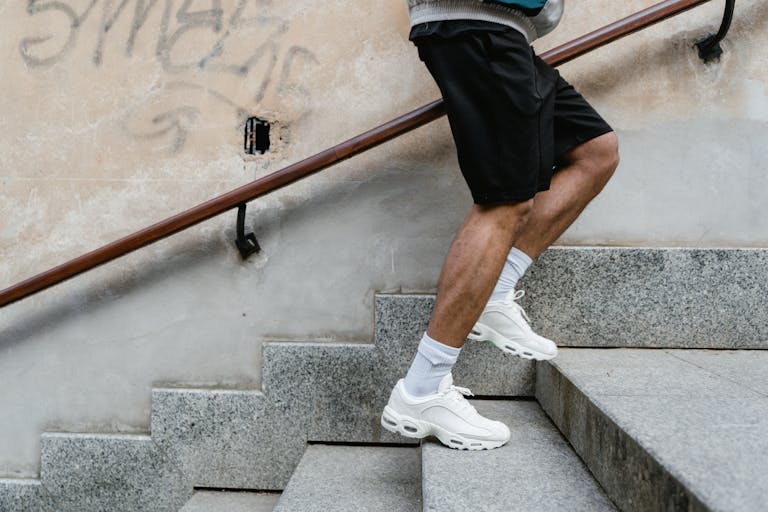
Step-Ups: Functional movement mimicking stair climbing. Use box height forcing 90-degree knee angle. Hold dumbbells performing 3 sets of 10-15 reps per leg.
Pistol Squats: Advanced bodyweight single-leg squat requiring significant strength, mobility, and balance. Progress from assisted variations to full pistols.
Upper Body Unilateral Exercises
Single-Arm Dumbbell Press: Shoulder press or bench press performed one arm at a time. Forces core stabilization preventing rotation. Perform 3 sets of 8-12 reps per arm.
Single-Arm Rows: Dumbbell or cable rows isolating each lat individually. Essential for correcting common right-left imbalances in back development. Execute 3-4 sets of 10-15 reps per arm.
Single-Arm Overhead Carries: Walk while holding dumbbell or kettlebell overhead. Builds shoulder stability and core strength. Perform 3-4 sets of 40-60 meters per arm.
Single-Arm Cable Chest Press: Challenges chest, shoulders, and core anti-rotation simultaneously. Complete 3 sets of 10-12 reps per arm.
Single-Arm Landmine Press: Excellent shoulder exercise with reduced joint stress. Perform 3 sets of 8-12 reps per arm.
Programming Unilateral Training
Identify Imbalances: Test maximum reps or weight capacity for each limb identifying disparities. Most men discover 10-20% strength differences between sides.
Start With Weaker Side: Always begin unilateral sets with your weaker limb, then match reps with your stronger side—never exceed what the weak side accomplished.
Frequency: Include 2-3 unilateral exercises per workout, 3-4 times weekly for comprehensive coverage.
Volume: Aim for 6-12 total sets per muscle group weekly from unilateral work, in addition to bilateral training.
Progression: Once strength equalizes between limbs (within 5% variance), maintain unilateral work preventing future imbalances while continuing bilateral progression.
Common Mistakes to Avoid
Never rush through sets sacrificing form for speed. Avoid training through pain—distinguish between muscle fatigue and joint discomfort. Don’t neglect weaker side to match stronger side performance—this perpetuates imbalances. Resist the urge to eliminate unilateral work once imbalances correct—maintenance prevents recurrence.
Conclusion
Unilateral training identifies and corrects strength imbalances while building functional muscle and improving athletic performance. By incorporating Bulgarian split squats, single-leg RDLs, single-arm rows, and other unilateral exercises 2-3 times weekly, you develop balanced strength protecting against injury and optimizing performance. Start with your weaker side, match reps with your dominant side, and watch symmetrical development transform your physique and capabilities.