Water Intake Guide: Optimal Hydration for Performance
Why Hydration Matters for Performance
Water comprises 60% of body weight and 75% of muscle tissue—making hydration fundamental to every physiological process. Even mild dehydration (2% body weight loss) significantly impairs strength, endurance, cognitive function, and recovery. Men training intensely who neglect hydration sabotage their results regardless of perfect training and nutrition.
Understanding optimal hydration strategies—how much, when, and what to drink—transforms performance, accelerates recovery, and maximizes muscle growth potential.
How Much Water Do You Actually Need?
Basic Formula: Consume half your body weight in ounces daily as baseline. A 180-pound man needs minimum 90 ounces (2.7 liters) daily for basic function.
Activity Adjustment: Add 12-16 ounces per 30 minutes of intense training. A 60-minute workout requires additional 24-32 ounces beyond baseline intake.
Climate Considerations: Hot, humid environments increase sweat loss dramatically. Add 20-40% more water in summer months or tropical climates.
Individual Variation: Larger men, those training intensely, and individuals who naturally sweat heavily require more water than smaller, sedentary people.
Practical Target: Most active men should consume 100-150 ounces (3-4.5 liters) daily including training days.
Hydration and Performance
Strength Impact: Studies show 2% dehydration reduces strength by 5-10% and power output by 10-15%. Staying hydrated maintains force production and training intensity.
Endurance Effects: Dehydration accelerates fatigue, impairs cardiovascular function, and reduces time to exhaustion by 20-30% in moderate to severe cases.
Cognitive Function: Even mild dehydration impairs focus, decision-making, and mind-muscle connection. Mental performance suffers before physical symptoms appear.
Recovery Speed: Proper hydration facilitates nutrient transport, waste removal, and cellular repair. Dehydrated muscles recover slower between sets and between workouts.
Hydration and Muscle Growth
Protein Synthesis: Adequate hydration supports optimal muscle protein synthesis. Dehydrated muscle cells reduce protein synthesis rates, limiting growth despite adequate protein intake.
Cell Volumization: Well-hydrated muscle cells appear fuller and may signal anabolic pathways. Creatine’s effectiveness depends partially on cellular hydration improving volumization.
Nutrient Delivery: Blood plasma is 90% water. Proper hydration ensures efficient delivery of amino acids, glucose, and oxygen to working muscles.
Waste Removal: Metabolic byproducts and inflammation markers are cleared more efficiently when adequately hydrated, supporting faster recovery.
Strategic Hydration Timing
Morning: Drink 16-24 ounces upon waking. You’ve fasted for 8 hours—rehydration jumpstarts metabolism and cognitive function.
Pre-Workout: Consume 16-20 ounces 2-3 hours before training and another 8-10 ounces 15-30 minutes pre-workout ensuring optimal hydration status.
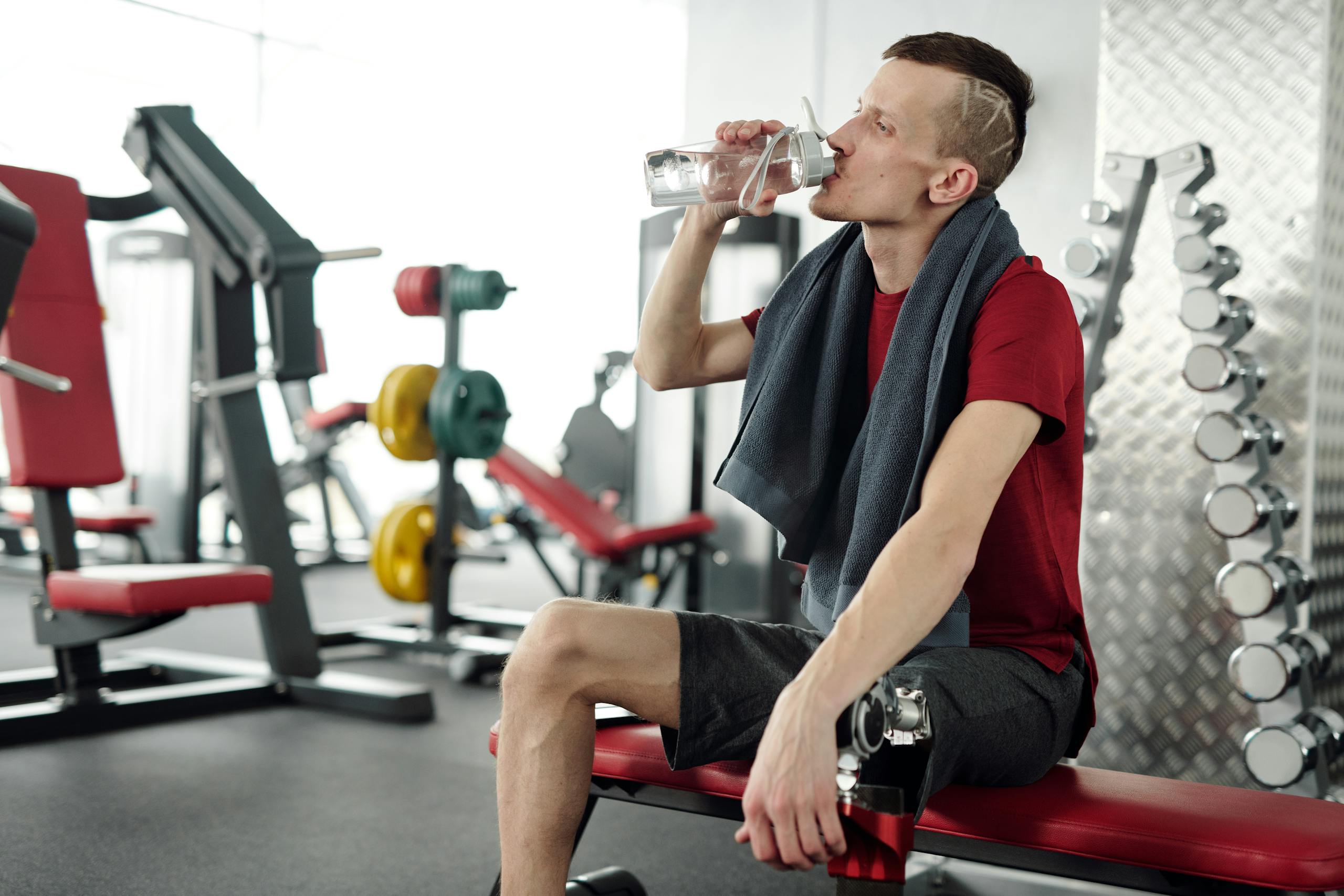
Intra-Workout: Drink 6-12 ounces every 15-20 minutes during training. Don’t wait until thirsty—thirst indicates dehydration has already begun.
Post-Workout: Replace 150% of fluid lost during training. Weigh yourself before and after workouts—each pound lost represents 16 ounces of fluid. If you lost 2 pounds, drink 48 ounces post-workout.
Throughout Day: Sip water consistently rather than chugging large amounts sporadically. Consistent intake maintains hydration better than infrequent large doses.
Electrolytes and Performance
When You Need Them: Training exceeding 60 minutes, hot/humid conditions, or excessive sweating requires electrolyte replacement—sodium, potassium, magnesium.
Sodium Importance: Most critical electrolyte for fluid balance and performance. Aim for 500-1000mg sodium per hour during intense training.
Sources: Sports drinks, electrolyte tablets, salt added to water, or coconut water provide necessary electrolytes preventing cramping and maintaining performance.
Plain Water Limits: Extended training with only water can cause hyponatremia (dangerously low sodium) if consumed excessively without electrolytes.
Signs of Dehydration
Physical Symptoms: Dark yellow urine, decreased urination frequency, dry mouth, headaches, dizziness, and fatigue.
Performance Indicators: Decreased strength, premature fatigue, poor endurance, longer recovery between sets, and reduced training motivation.
Chronic Dehydration: Persistent lethargy, brain fog, constipation, muscle cramps, and elevated resting heart rate.
Overhydration Risks
Hyponatremia: Drinking excessive water without electrolytes dangerously dilutes blood sodium. Symptoms include nausea, confusion, and seizures in severe cases.
Prevention: Don’t exceed 1 liter per hour maximum. Include electrolytes with high-volume water consumption during extended training.
Hydration Optimization Strategies
Track Urine Color: Pale yellow indicates proper hydration. Clear suggests overhydration, dark yellow signals dehydration.
Morning Weigh-Ins: Consistent morning weight indicates stable hydration. Daily fluctuations exceeding 2-3 pounds often reflect hydration changes.
Pre-Load Before Training: Start workouts fully hydrated rather than playing catch-up during training.
Carry Water Bottle: Keep water accessible throughout the day. Visibility increases consumption consistency.
Set Reminders: Phone alerts every 60-90 minutes prompt regular drinking preventing dehydration development.
Conclusion
Optimal hydration requires consuming 100-150 ounces daily for active men, strategic timing around training (16-20 ounces pre-workout, 6-12 ounces every 15 minutes intra-workout, 150% of losses post-workout), and electrolyte replacement during extended sessions. Proper hydration enhances strength, endurance, recovery, and muscle growth—making it one of the simplest yet most impactful performance optimizations. Monitor urine color, track body weight trends, and prioritize consistent water intake as seriously as protein consumption.