
Best Breakfast Foods for Muscle Building and Fat Loss
Why Breakfast Matters for Body Composition
Breakfast breaks your overnight fast, providing nutrients that either support muscle growth and fat loss or sabotage both through poor choices. While intermittent fasting works for some men, those training intensely in the morning or seeking maximum muscle growth benefit from strategic breakfast timing and composition.
The ideal muscle-building, fat-loss breakfast combines high protein (30-40g), moderate complex carbohydrates, healthy fats, and minimal processed sugars—creating satiety, stable energy, and anabolic environment supporting training performance and recovery.
Protein Sources: The Foundation
Whole Eggs (The Gold Standard)
Why They’re Best: Complete protein profile with all essential amino acids, healthy fats supporting testosterone production, choline for brain function, and vitamins A, D, E, and B12.
Muscle-Building Serving: 4-6 whole eggs provides 24-36g protein plus healthy fats. Don’t fear yolks—the cholesterol supports hormone production.
Preparation: Scrambled, over-easy, omelet, or hard-boiled. Pair with vegetables (spinach, peppers, onions) increasing micronutrient density.
Greek Yogurt (High-Protein Convenience)
Why It Works: 15-20g protein per cup, probiotic benefits for gut health, calcium for bone density, and versatile preparation options.
Optimal Choice: Plain, non-fat or low-fat Greek yogurt. Flavored varieties contain excessive added sugar sabotaging fat loss.
Serving Strategy: 1.5-2 cups provides 25-40g protein. Add berries, nuts, and cinnamon for flavor without sugar overload.
Protein Powder (Quick and Efficient)
Why It’s Valuable: 25-30g protein per scoop, fast digestion supporting muscle protein synthesis, and convenience when time-constrained.
Best Use: Blend with oats, banana, almond butter, and milk creating complete meal replacement. Alternatively, mix into Greek yogurt or oatmeal boosting protein content.
Lean Breakfast Meats
Turkey Sausage/Chicken Sausage: 15-20g protein per 3-4 links with significantly less fat than traditional pork sausage.
Canadian Bacon: Lean alternative to regular bacon providing 12-15g protein per 3-4 slices.
Smoked Salmon: 20g protein per 3-ounce serving plus omega-3 fatty acids supporting recovery and reducing inflammation.
Strategic Carbohydrate Choices
Oatmeal (Sustained Energy)
Why It’s Optimal: Complex carbohydrates providing steady energy release, high fiber content supporting satiety and digestive health, and beta-glucan reducing cholesterol.
Serving: 1/2-1 cup dry oats (40-80g carbs) depending on activity level and body size. Cook with water or milk, top with protein powder, berries, and cinnamon.
Sweet Potato (Nutrient-Dense Carbs)
Benefits: High in vitamins A and C, fiber-rich supporting satiety, and lower glycemic index preventing blood sugar spikes.
Preparation: Dice and roast with eggs for savory breakfast hash or mash and mix with protein powder for sweet breakfast bowl.
Ezekiel Bread or Whole Grain Toast
Why These Work: Sprouted grain bread provides complete protein profile plus complex carbs. Whole grain options offer fiber and sustained energy.
Serving: 1-2 slices (30-40g carbs) with eggs, avocado, or nut butter.
Fruit (Strategic Timing)
Best Choices: Berries (blueberries, strawberries) provide antioxidants with lower sugar content. Bananas offer quick energy and potassium.
Serving: 1 cup berries or 1 medium banana (15-30g carbs). Pair with protein preventing blood sugar spikes.
Healthy Fats for Hormone Support
Avocado (The Perfect Fat)
Benefits: Monounsaturated fats supporting testosterone production, potassium for muscle function, and fiber promoting satiety.
Serving: 1/4-1/2 avocado (80-160 calories) with eggs or on toast.
Nut Butters (Calorie-Dense Energy)
Options: Almond butter, peanut butter, cashew butter providing healthy fats, protein, and minerals.
Serving: 1-2 tablespoons (90-190 calories). Spread on toast, mix in oatmeal, or blend into smoothies.
Caution: Easy to overconsume—measure portions rather than eating directly from jar.
Nuts and Seeds
Choices: Almonds, walnuts, chia seeds, or flaxseeds adding healthy fats, protein, and micronutrients.
Serving: 1-2 ounces nuts or 1-2 tablespoons seeds.
Sample Muscle-Building, Fat-Loss Breakfasts
Option 1: Classic Power Breakfast
- 5 whole eggs scrambled with spinach and peppers
- 1 cup oatmeal with berries and cinnamon
- 1/4 avocado Total: 45g protein, 50g carbs, 25g fat
Option 2: High-Protein Bowl
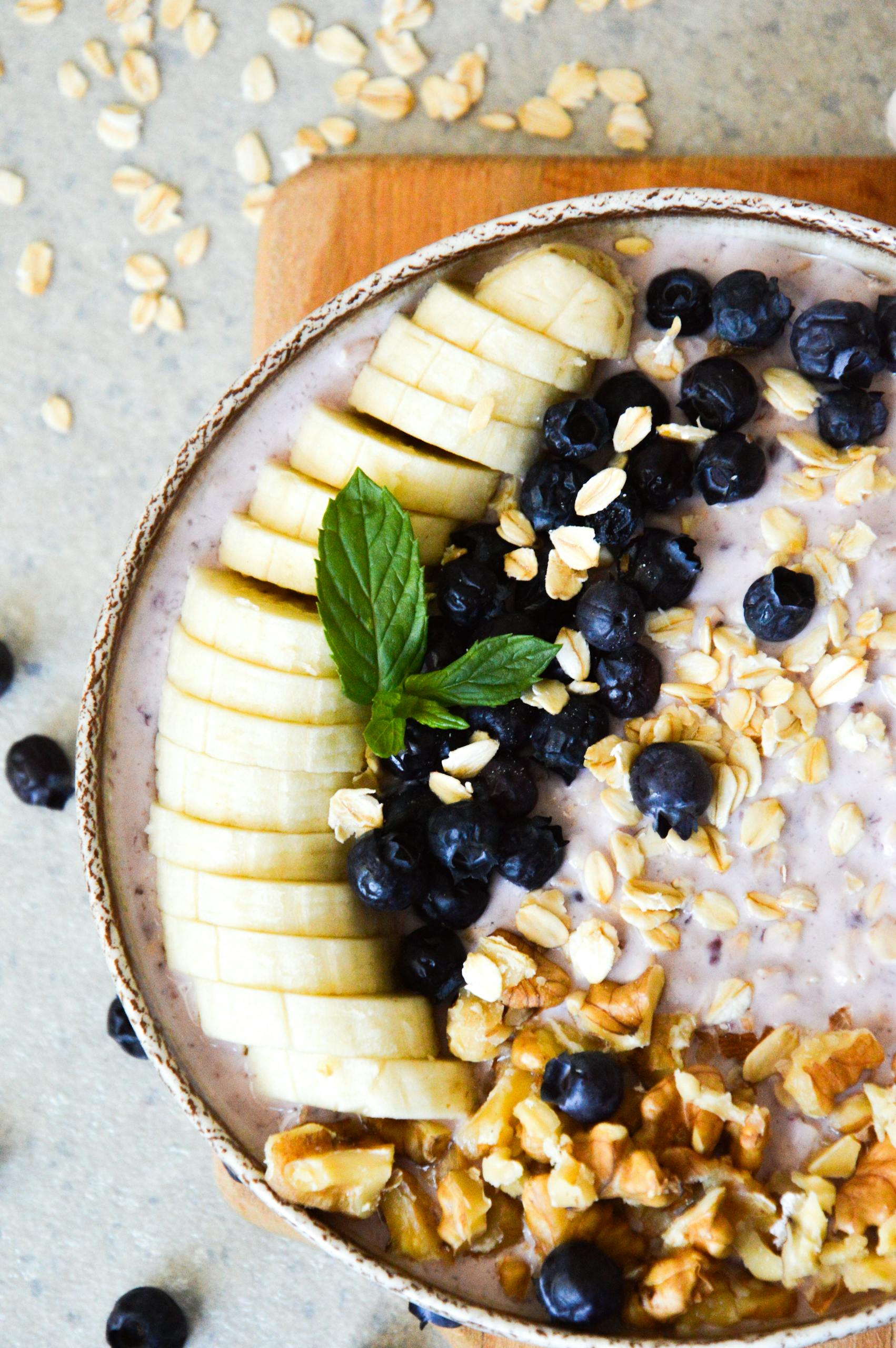
- 2 cups Greek yogurt
- 1/2 cup oats (mixed in)
- 1 scoop protein powder
- 1/2 cup blueberries
- 1 tablespoon almond butter Total: 65g protein, 55g carbs, 15g fat
Option 3: Bodybuilding Standard
- 6 egg whites + 2 whole eggs
- 2 slices Ezekiel toast
- 2 tablespoons almond butter
- 1 banana Total: 40g protein, 60g carbs, 20g fat
Option 4: Quick Shake
- 2 scoops whey protein
- 1 cup oats
- 1 banana
- 2 tablespoons peanut butter
- 1 cup almond milk Total: 60g protein, 80g carbs, 20g fat
Breakfast Mistakes to Avoid
Sugary Cereals: Cause blood sugar crashes and provide minimal protein.
Pastries and Donuts: Empty calories with no nutritional value sabotaging fat loss.
Juice: Concentrated sugar without fiber—eat whole fruit instead.
Skipping Protein: Protein-deficient breakfasts fail to support muscle or satiety.
Excessive Portions: Even healthy foods cause fat gain in caloric surplus beyond needs.
Timing Considerations
Pre-Workout: Eat 60-90 minutes before training if morning sessions. Focus on easily digestible carbs and moderate protein.
Post-Workout: If training fasted, breakfast becomes crucial post-workout meal. Prioritize protein and carbs immediately.
Rest Days: Reduce carbohydrate portions slightly (30-50g instead of 60-80g) matching lower activity demands.
Conclusion
Optimal muscle-building, fat-loss breakfast includes 30-40g protein from eggs, Greek yogurt, or protein powder, 40-60g complex carbs from oatmeal, sweet potato, or whole grain toast, healthy fats from avocado, nut butters, or whole eggs, and minimal processed sugars focusing on whole foods. Prepare breakfast in advance through meal prep, adjust portions based on training schedule and goals, and prioritize protein in every breakfast ensuring muscle preservation and satiety. Consistent, strategic breakfast choices compound over time, transforming body composition more effectively than skipping meals or choosing convenient processed options.