Best Diet Plan for Lowering Heart Rate

A consistently elevated resting heart rate can indicate poor cardiovascular health and increased risk for heart disease. While exercise plays a crucial role in lowering heart rate, your diet significantly impacts cardiovascular function and heart rate variability. Whether you’re concerned about your heart health, managing hypertension, or simply seeking to optimize your cardiovascular system, strategic dietary choices can naturally lower your resting heart rate and improve overall cardiac function.
Understanding Heart Rate and Diet Connection
Your resting heart rate reflects your cardiovascular efficiency—a lower resting heart rate typically indicates better cardiovascular fitness and heart health. Diet influences heart rate through multiple mechanisms including inflammation reduction, blood pressure regulation, electrolyte balance, and autonomic nervous system function. A heart-healthy diet can reduce resting heart rate by 5-10 beats per minute over several months.
Normal resting heart rate ranges from 60-100 beats per minute, though athletes often have rates in the 40-50s. If your resting heart rate consistently exceeds 80 bpm, dietary interventions alongside exercise can provide significant improvements.
Anti-Inflammatory Foods for Heart Health
Chronic inflammation elevates heart rate and damages blood vessels. Emphasize anti-inflammatory foods rich in omega-3 fatty acids like fatty fish (salmon, mackerel, sardines), walnuts, flaxseeds, and chia seeds. Aim for 2-3 servings of fatty fish weekly or consider a high-quality fish oil supplement providing 1-2 grams of EPA and DHA daily.
Include colorful fruits and vegetables packed with antioxidants that combat oxidative stress and inflammation. Berries, leafy greens, tomatoes, and bell peppers provide polyphenols and flavonoids that support vascular health. Aim for at least 5-7 servings of varied produce daily.
Potassium and Magnesium for Heart Rhythm
Potassium and magnesium are essential minerals for proper heart rhythm and muscle function. Low levels of these electrolytes can cause elevated heart rate and palpitations. Potassium-rich foods include bananas, sweet potatoes, avocados, spinach, and white beans. Aim for 3,500-4,700mg of potassium daily through whole foods.
Magnesium supports heart rhythm regulation and relaxation of blood vessels. Include magnesium-rich foods like dark leafy greens, almonds, pumpkin seeds, dark chocolate, and whole grains. Most adults need 310-420mg of magnesium daily. Consider supplementation if dietary intake is insufficient, as magnesium deficiency is common.
Reduce Stimulants and Processed Foods
Caffeine, especially in excess, can elevate heart rate and cause palpitations in sensitive individuals. If your resting heart rate is consistently high, limit caffeine intake to 200mg daily (about two cups of coffee) and avoid consumption after 2 PM. Some individuals benefit from eliminating caffeine entirely to assess its impact on heart rate.
Refined sugars and processed foods cause blood sugar spikes and crashes that stress your cardiovascular system and elevate heart rate. Eliminate or drastically reduce consumption of sugary beverages, candy, pastries, and processed snacks. Choose whole grains over refined grains to maintain stable blood sugar levels.
High sodium intake elevates blood pressure, forcing your heart to work harder and increasing heart rate. Limit sodium to 1,500-2,300mg daily by avoiding processed foods, restaurant meals, and excessive salt. Instead, flavor foods with herbs, spices, lemon, and vinegar.
Heart-Healthy Fats and Mediterranean Patterns
Follow a Mediterranean-style eating pattern emphasizing olive oil, nuts, seeds, fish, whole grains, legumes, and abundant vegetables. This dietary pattern consistently demonstrates cardiovascular benefits including reduced heart rate, lower blood pressure, and decreased heart disease risk. Use extra virgin olive oil as your primary fat source, aiming for 2-3 tablespoons daily.
Avoid trans fats completely and limit saturated fats from red meat and full-fat dairy. These fats promote inflammation and arterial damage that elevates cardiovascular stress.
Sample Heart-Healthy Meal Plan
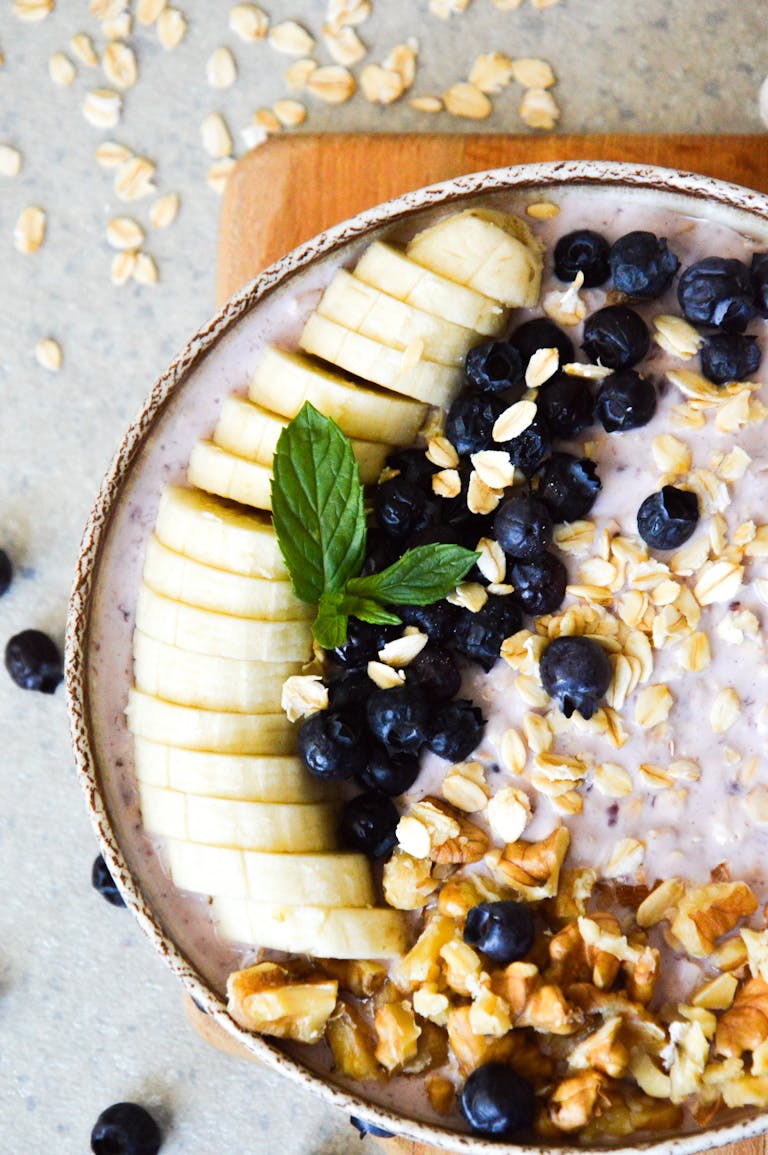
Breakfast: Oatmeal topped with berries, walnuts, and ground flaxseed Mid-Morning Snack: Apple slices with almond butter Lunch: Mixed greens salad with grilled salmon, avocado, vegetables, and olive oil dressing Afternoon Snack: Hummus with raw vegetables Dinner: Baked chicken breast, quinoa, roasted Brussels sprouts with garlic Evening: Dark chocolate square (70%+ cacao) with herbal tea
This plan emphasizes whole foods, healthy fats, adequate potassium and magnesium, while limiting sodium and refined sugars.
Hydration and Lifestyle Integration
Proper hydration supports cardiovascular function and prevents heart rate elevation from dehydration. Drink 8-10 cups of water daily, more if exercising or in hot weather. Herbal teas like hibiscus and green tea provide additional cardiovascular benefits.
Combine dietary changes with stress management techniques, regular aerobic exercise, adequate sleep, and maintaining a healthy weight for comprehensive heart rate reduction.
Conclusion
Lowering your resting heart rate through diet requires emphasizing anti-inflammatory foods, adequate minerals, healthy fats, and whole foods while eliminating stimulants, excess sodium, and processed items. By following these evidence-based dietary strategies consistently, you’ll support optimal cardiovascular health and naturally achieve a lower, healthier resting heart rate.