Best Diet Plan for Building Muscle

Building muscle requires more than just lifting weights—your diet is equally critical for maximizing gains. Without proper nutrition, even the most intense training programs will fail to produce significant results. Whether you’re a beginner looking to add your first pounds of muscle or an experienced lifter seeking to break through a plateau, understanding the optimal diet plan for muscle growth will transform your physique and accelerate your progress dramatically.
The Foundation: Caloric Surplus and Protein
Muscle building requires a caloric surplus, meaning you must consume more calories than you burn. Aim for 250-500 calories above your maintenance level for lean muscle gains without excessive fat accumulation. Track your intake for at least two weeks to establish your baseline, then adjust based on progress. Weighing yourself weekly and monitoring strength gains helps ensure you’re gaining muscle rather than just fat.
Protein is the building block of muscle tissue. Consume 0.8-1 gram of protein per pound of bodyweight daily. For a 180-pound individual, this means 144-180 grams of protein spread across 4-5 meals. High-quality protein sources include chicken breast, lean beef, fish, eggs, Greek yogurt, and whey protein powder. Distribute protein evenly throughout the day to maximize muscle protein synthesis.
Essential Macronutrients for Muscle Growth
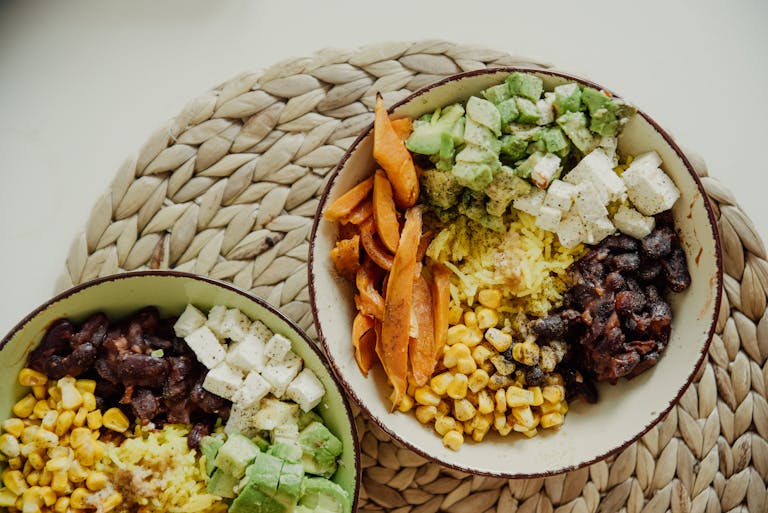
Carbohydrates fuel intense training sessions and replenish glycogen stores depleted during workouts. Consume 2-3 grams per pound of bodyweight, focusing on complex carbohydrates like brown rice, oatmeal, sweet potatoes, quinoa, and whole grain bread. Time your largest carbohydrate meals around your workouts—before for energy and after for recovery.
Healthy fats support hormone production, including testosterone, which is crucial for muscle growth. Include 0.4-0.5 grams of fat per pound of bodyweight from sources like avocados, nuts, olive oil, fatty fish, and nut butters. Don’t fear dietary fat—it’s essential for optimal muscle building and overall health.
Nutrient Timing and Meal Frequency
While total daily intake matters most, nutrient timing can optimize results. Consume a protein-rich meal 2-3 hours before training for sustained amino acid availability. Post-workout, eat a combination of protein and carbohydrates within two hours to maximize recovery and muscle growth. A simple post-workout meal might include chicken breast with rice or a protein shake with a banana.
Eating 4-6 smaller meals daily maintains steady amino acid levels and prevents excessive hunger that leads to poor food choices. However, meal frequency is less critical than hitting your daily macronutrient targets consistently.
Sample Muscle Building Meal Plan
Breakfast: 4 whole eggs scrambled, 2 cups oatmeal with berries, 1 tablespoon almond butter Mid-Morning Snack: Greek yogurt with granola and honey Lunch: 8 ounces grilled chicken breast, 2 cups brown rice, mixed vegetables with olive oil Pre-Workout: Protein shake with banana Post-Workout: 6 ounces salmon, large sweet potato, green beans Evening Snack: Cottage cheese with almonds
This sample provides approximately 3,200 calories with 180g protein, 400g carbohydrates, and 90g fat—adjust portions based on your specific needs.
Hydration and Supplements
Drink at least one gallon of water daily to support muscle function and recovery. Dehydration impairs strength and muscle growth. Consider creatine monohydrate (5g daily), the most researched and effective supplement for muscle building. Whey protein powder offers convenient, high-quality protein but isn’t necessary if you meet protein needs through whole foods.
Consistency Over Perfection
The most effective diet plan is one you can maintain consistently. Don’t obsess over perfect meal timing or exact macronutrient ratios—focus on hitting your daily protein target and caloric surplus while consuming mostly whole, nutrient-dense foods. Allow yourself occasional treats to maintain sanity and sustainability. Progress photos, strength gains, and measurements matter more than daily scale fluctuations.
Conclusion
Building muscle requires a strategic nutrition plan emphasizing caloric surplus, adequate protein, proper macronutrient balance, and consistency. By following these evidence-based dietary principles and adjusting based on your individual response, you’ll create the optimal internal environment for muscle growth and achieve the physique you’re working toward.