Corrective Exercise Guide: Fix Common Movement Imbalances and Lift Safer

Why Movement Quality Matters
Most men focus exclusively on lifting heavier weights while ignoring fundamental movement quality. This approach inevitably leads to compensatory patterns, chronic pain, and injury. Movement imbalances develop from sedentary lifestyles, repetitive training patterns, previous injuries, or poor exercise form. Understanding how to identify and correct these dysfunctions through targeted corrective exercises prevents injuries, improves performance, and extends your training longevity.
Perfect movement patterns allow you to train harder, longer, and safer—the foundation of sustainable progress.
Common Movement Imbalances in Men
Anterior Pelvic Tilt: Tight hip flexors and weak glutes create excessive lower back arch, causing chronic back pain and poor squat mechanics. Sitting for extended periods exacerbates this dysfunction.
Rounded Shoulders and Forward Head Posture: Excessive pressing movements, chest training, and desk work create internally rotated shoulders and protracted scapulae. This pattern increases shoulder injury risk and limits overhead pressing capacity.
Hip Mobility Restrictions: Limited hip flexion, extension, and rotation compromise squat depth, deadlift mechanics, and overall lower body development while increasing knee and back injury risk.
Ankle Mobility Limitations: Restricted ankle dorsiflexion prevents proper squat depth, forcing compensatory knee valgus (inward collapse) or excessive forward lean.
Scapular Dyskinesis: Poor shoulder blade control during overhead movements creates impingement, rotator cuff issues, and chronic shoulder pain.
Assessment: Identifying Your Imbalances
Overhead Squat Assessment: Perform bodyweight overhead squats observing knee tracking, torso position, arm alignment, and weight distribution. Video yourself from front and side angles identifying compensations.
Single-Leg Balance Test: Stand on one leg for 30 seconds with eyes closed. Inability to maintain balance indicates hip weakness or proprioceptive deficits.
Shoulder Mobility Test: Reach one arm overhead and behind your back while the other reaches up from below. Inability to touch hands indicates shoulder mobility restrictions.
Hip Hinge Assessment: Perform Romanian deadlifts with dowel along spine. The dowel should maintain contact at head, upper back, and sacrum throughout movement.
Corrective Exercises for Anterior Pelvic Tilt
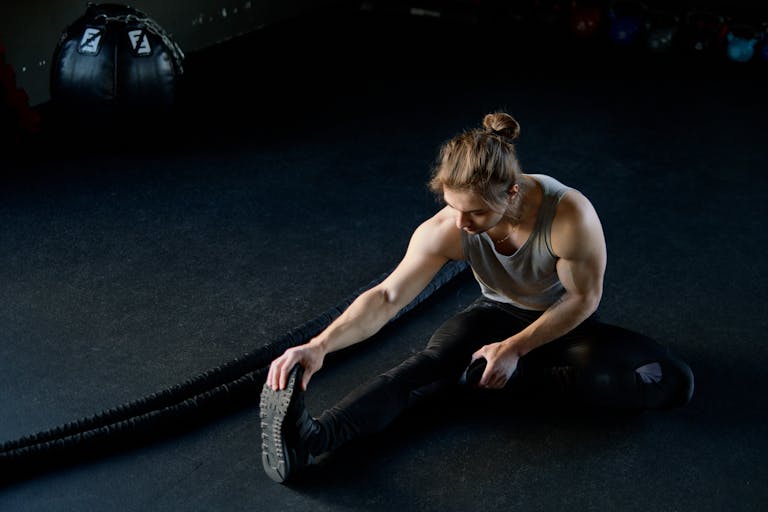
Hip Flexor Stretches: Kneeling hip flexor stretches held 60-90 seconds per side, 2-3 times daily, lengthen tight psoas and rectus femoris.
Glute Bridges: Perform 3 sets of 15-20 reps daily emphasizing glute contraction at the top. Progress to single-leg variations for increased difficulty.
Dead Bugs: Lie supine, extend opposite arm and leg while maintaining lower back contact with floor. Perform 3 sets of 10 reps per side strengthening core stability.
Plank Variations: Hold planks for 30-60 seconds focusing on posterior pelvic tilt and glute engagement, not just enduring time.
Fixing Rounded Shoulders
Face Pulls: Perform 3 sets of 15-20 reps daily using resistance bands or cables. Pull toward face level, externally rotating shoulders at end range.
Wall Angels: Stand against wall, slide arms overhead maintaining contact with wall throughout movement. Perform 3 sets of 10 reps improving scapular control.
Doorway Chest Stretches: Hold 60-90 seconds per side, 2-3 times daily, lengthening tight pectoral muscles.
Band Pull-Aparts: Perform 100 daily reps using light resistance bands strengthening posterior shoulder muscles.
Improving Hip Mobility
90/90 Hip Stretches: Sit with one leg internally rotated, other externally rotated. Hold 60 seconds per side improving hip rotation.
Cossack Squats: Lateral squats shifting weight side-to-side. Perform 2-3 sets of 8-10 reps per side enhancing hip mobility and adductor flexibility.
Frog Stretches: Kneel with knees wide, sitting hips back toward heels. Hold 90-120 seconds opening hip internal rotation.
Enhancing Ankle Mobility
Ankle Dorsiflexion Stretches: Half-kneeling position, drive knee forward over toes. Hold 60 seconds per side performed daily.
Elevated Heel Squats: Temporarily elevate heels on plates during squats while working on ankle mobility separately.
Programming Corrective Work
Perform corrective exercises during warm-ups before training, dedicating 10-15 minutes to mobility and activation work. Include corrective movements between sets as active recovery. Schedule dedicated 20-30 minute corrective sessions 2-3 times weekly addressing specific imbalances.
Track progress through movement assessments every 4-6 weeks, adjusting corrective programming based on improvements or persistent restrictions.
When to Seek Professional Help
Consult physical therapists or movement specialists if pain persists despite corrective work, imbalances worsen over time, you experience joint instability or clicking, or movement restrictions don’t improve after 6-8 weeks of consistent corrective exercise.
Conclusion
Corrective exercises aren’t optional accessories—they’re essential maintenance preventing injuries and optimizing performance. By identifying movement imbalances through assessments, implementing targeted corrective strategies, and prioritizing movement quality over weight lifted, you build sustainable strength and longevity. Perfect movement patterns allow you to train hard for decades, not just months. Fix your foundation before building the structure.