Best Workouts for Strengthening Your Calves: Build Powerful Lower Legs

Strong, well-developed calves are essential for athletic performance, balance, and lower body aesthetics. Often neglected in training programs, your calf muscles play a crucial role in walking, running, jumping, and stabilizing your ankles. Whether you’re an athlete looking to improve explosive power, a runner seeking injury prevention, or someone wanting more balanced leg development, dedicated calf training will enhance your functional strength and complete your physique.
Understanding Your Calf Muscle Anatomy
The calves consist primarily of two muscles: the gastrocnemius and the soleus. The gastrocnemius is the larger, more visible muscle with two heads that creates the classic diamond shape of well-developed calves. The soleus sits underneath and is engaged more when your knee is bent. Both muscles work together to plantarflex your ankle (pointing your toes downward) and are crucial for propulsion during walking, running, and jumping. Training both muscles from different angles ensures complete calf development.
Essential Calf Strengthening Exercises
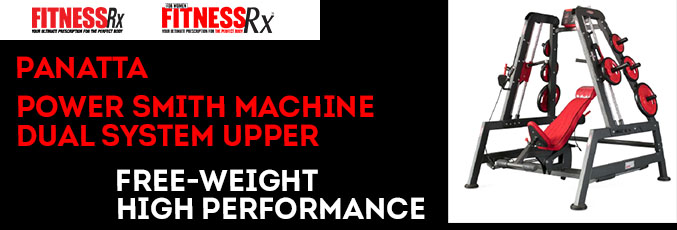
Standing Calf Raises Stand on a raised platform with the balls of your feet on the edge and heels hanging off. Rise up onto your toes as high as possible, pause at the top, then lower your heels below the platform level for a deep stretch. This exercise primarily targets the gastrocnemius. Perform 3-4 sets of 15-20 repetitions with controlled movements. You can use a calf raise machine, hold dumbbells, or use a Smith machine for added resistance.
Seated Calf Raises Sit at a seated calf raise machine with the pads resting on your thighs just above your knees. Push up onto your toes, raising the weight by extending your ankles. The bent-knee position shifts emphasis to the soleus muscle. Since the soleus is predominantly slow-twitch muscle fibers, it responds well to higher repetitions. Aim for 4 sets of 20-25 reps with moderate weight.
Single-Leg Calf Raises Stand on one foot on a raised platform and perform calf raises. This unilateral exercise identifies and corrects strength imbalances between legs while requiring greater stabilization. Single-leg raises also allow you to achieve full range of motion and maximum muscle contraction. If balance is challenging initially, lightly hold onto something for support while still maximizing the working leg’s effort.
Jump Rope Jumping rope provides dynamic calf training while improving cardiovascular fitness and coordination. The repetitive plantarflexion required for each jump builds muscular endurance in your calves. Start with 2-3 minute intervals and gradually increase duration. Jump rope is excellent for athletes needing explosive calf power and serves as an effective warm-up or finisher for calf workouts.
Box Jumps Explosive movements like box jumps train your calves for power production. Stand facing a sturdy box or platform, then explosively jump onto it, landing softly with bent knees. Step down and repeat for 3 sets of 8-12 repetitions. Box jumps develop fast-twitch muscle fibers in your calves, improving athletic performance and adding variety to your training.
Farmer’s Walk on Toes Hold heavy dumbbells or kettlebells at your sides and walk on your toes for 30-60 seconds. This loaded carry variation builds calf endurance and strength while improving ankle stability. The constant isometric contraction challenges your calves differently than traditional raises.
Donkey Calf Raises Bend forward at the hips with hands supported on a bench or bar, keeping your legs straight. Have a partner sit on your lower back or use a donkey calf raise machine. Raise up onto your toes and lower slowly. This old-school exercise provides intense gastrocnemius activation through a unique loading angle.
Designing Your Calf Training Program
Train calves 3-4 times per week since they’re designed for frequent use and recover quickly. Calves are notoriously stubborn muscles that often require high volume and frequency to grow. Perform both standing and seated variations in each workout to target both the gastrocnemius and soleus. Start with standing calf raises (4 sets of 15-20 reps), then seated calf raises (4 sets of 20-25 reps), finishing with a dynamic movement like jump rope.
Focus on full range of motion, pausing at both the top and bottom of each repetition. The stretch at the bottom is crucial for muscle development. Progressive overload applies to calves just like any other muscle—gradually increase weight or repetitions over time.
Common Mistakes and Training Tips
Many people bounce through calf raises using momentum rather than controlling the movement. Perform each repetition deliberately, emphasizing the stretch and squeeze. Don’t neglect the eccentric (lowering) portion—take 2-3 seconds to lower on each rep. Vary your foot position occasionally: toes pointed inward targets the outer calf, toes outward emphasizes the inner calf, though neutral positioning should comprise most of your training.
Conclusion
Building strong, developed calves requires consistent high-volume training with both standing and seated variations. By incorporating these exercises with proper form, full range of motion, and adequate frequency, you’ll develop the lower leg strength and size that enhances both performance and appearance. Patience is key—calves respond to persistent effort over time.