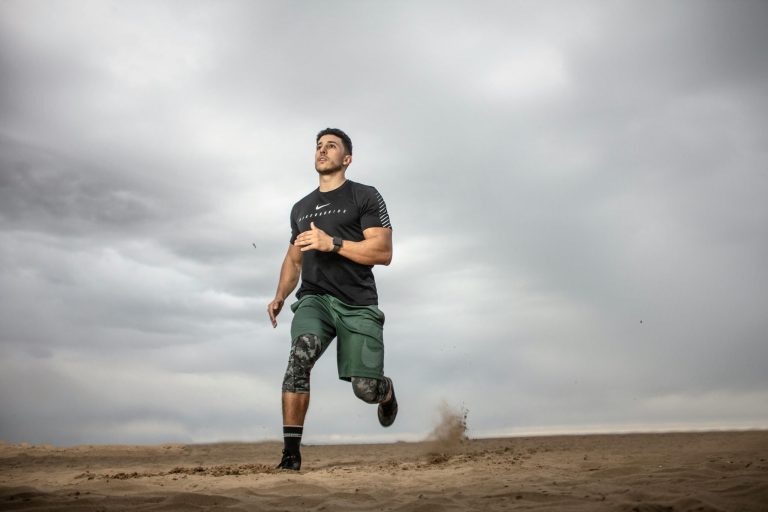
Biological Age vs. Chronological Age: Stay Young Through Fitness

Understanding the Two Types of Age
Chronological age is simple: the number of candles on your birthday cake. It’s fixed and unchangeable. Biological age, however, measures how well your cells, tissues, and organs are functioning compared to population averages. It’s determined by factors like cardiovascular health, muscle mass, metabolic efficiency, inflammation levels, and cellular health markers.
A sedentary 40-year-old with poor diet and high stress might have the biological age of a 50-year-old, facing increased disease risk and accelerated decline. Meanwhile, a fit 40-year-old who trains consistently could possess the biological age of someone in their early 30s, with superior health markers and longevity potential.
How Fitness Reverses Biological Aging
Cardiovascular Rejuvenation: Regular aerobic exercise improves VO2 max—your body’s ability to utilize oxygen. Research shows that consistent cardio training can improve VO2 max by 15-25%, effectively reducing biological age by 10-15 years. Your heart, lungs, and blood vessels literally function younger.
Muscle Mass Preservation: Sarcopenia—age-related muscle loss—begins around age 30, with most people losing 3-8% of muscle mass per decade. Resistance training completely reverses this trend. Studies demonstrate that men in their 60s and 70s who strength train maintain muscle mass comparable to sedentary individuals in their 30s.
Hormonal Optimization: Exercise naturally supports testosterone and growth hormone production while reducing cortisol. These hormonal shifts promote fat loss, muscle growth, and cellular repair—all markers of biological youth. Intense resistance training can boost growth hormone levels by up to 530% during and after workouts.
Cellular Health and Telomeres: Telomeres are protective caps on chromosomes that shorten with age. Shorter telomeres correlate with accelerated aging and disease. Multiple studies show that regular exercisers have significantly longer telomeres than sedentary peers, suggesting exercise literally slows aging at the cellular level.
Inflammation Reduction: Chronic inflammation—termed “inflammaging”—drives age-related diseases. Exercise acts as a potent anti-inflammatory, reducing markers like C-reactive protein and interleukin-6 that accelerate biological aging.
The Exercise Prescription for Staying Young
Resistance Training (3-4x/week): Prioritize compound movements—squats, deadlifts, presses, and rows. Progressive overload is essential. Your muscles don’t know your chronological age; they respond to stimulus regardless of the number on your ID.
High-Intensity Interval Training (2-3x/week): HIIT produces superior improvements in VO2 max and mitochondrial function compared to steady-state cardio. Just 20-30 minutes of intense intervals delivers massive anti-aging benefits.
Zone 2 Cardio (2-3x/week): Low-intensity steady-state cardio at 60-70% max heart rate improves mitochondrial density and metabolic flexibility. Think brisk walking, easy cycling, or light jogging for 30-60 minutes.
Mobility and Flexibility Work (Daily): Maintaining range of motion prevents the stiffness and movement dysfunction associated with aging. Spend 10-15 minutes daily on dynamic stretching and mobility drills.
Measurable Biological Age Markers
Track these to monitor your biological age:
- Resting heart rate and heart rate variability
- Body composition (lean mass vs. fat mass)
- VO2 max or 1-mile run time
- Strength benchmarks (deadlift, squat relative to bodyweight)
- Flexibility tests (sit-and-reach, overhead squat)
- Recovery metrics and sleep quality
In Conclusion
Chronological age is inevitable, but biological age is negotiable. Every workout is an investment in cellular health, hormonal optimization, and functional longevity. The 50-year-old who trains consistently isn’t just “fit for his age”—he’s biologically younger, period. Start training like your life depends on it, because it does.